
 简体中文
简体中文
What factors affect shot peening intensity?
Shot peening intensity is primarily influenced by three categories of factors: shot characteristics, process parameters, and workpiece condition; the core principle is the effective transfer of kinetic energy from the impact.
**Key Influencing Factors**
* **Shot Size:** Larger shot yields higher kinetic energy and intensity; however, excessively large shot reduces coverage and is constrained by the workpiece's groove radius (diameter should be less than half the groove's inner radius).
* **Shot Velocity:** Increasing velocity directly boosts kinetic energy and intensity; however, excessive speed raises the shot breakage rate, which conversely diminishes effective intensity and damages the surface.
* **Impact Angle:** Intensity is highest when the stream is perpendicular to the workpiece surface; at shallow angles, the effective force component decreases, requiring compensation via larger shot size or higher velocity.
* **Shot Hardness and Integrity:** When shot hardness exceeds that of the workpiece, variations in hardness have minimal impact on intensity; if the shot is softer, a drop in hardness directly reduces intensity. Additionally, broken shot possesses low kinetic energy and tends to scratch the surface; maintaining high integrity (typically >85%) is essential for consistent intensity.
* **Peening Distance:** Distance alters the velocity and dispersion of the shot upon reaching the workpiece, thereby affecting actual impact intensity.
**Secondary and Related Factors**
* **Shot Flow Rate:** The quantity of shot striking the surface per unit of time affects energy density; this must be balanced with velocity to optimize the trade-off between intensity and efficiency.
* **Workpiece Material Hardness:** The relative hardness determines energy absorption efficiency; excessively soft workpieces may undergo excessive deformation rather than strengthening when struck by hard shot.
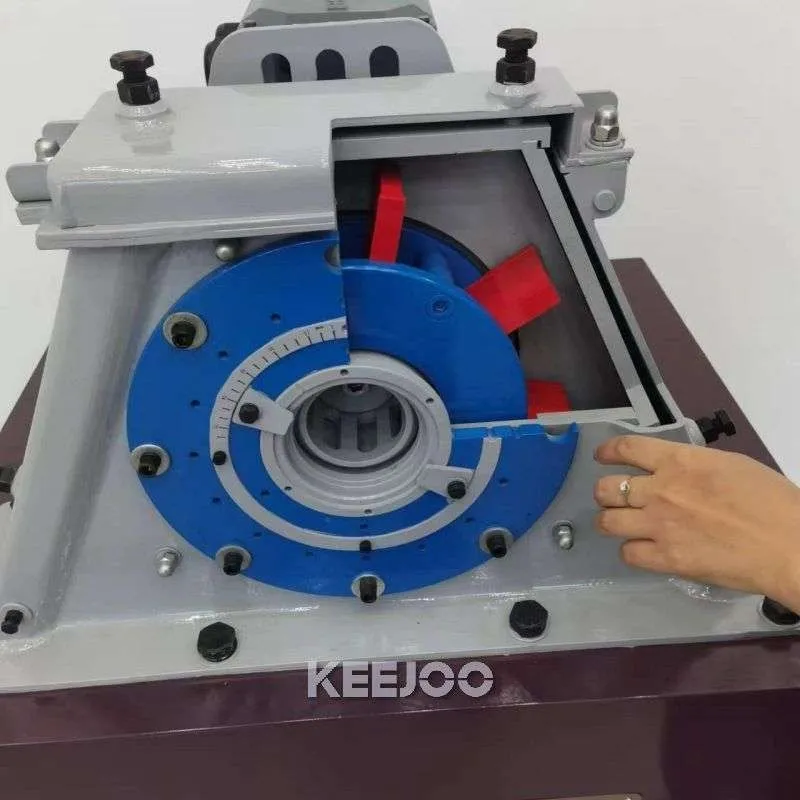
* **Equipment Condition:** Wear on blast wheel vanes or misalignment of the control cage can cause velocity instability or angular deviation, indirectly affecting intensity consistency.
In actual production, it is necessary to optimize shot particle size (typically 6–50 mesh) while ensuring required intensity, avoiding the pursuit of large shot or high speeds that could lead to increased costs or surface damage.
 Skype
Skype demo@admin.com
 400-12345-67890
 13988889999