
 简体中文
简体中文
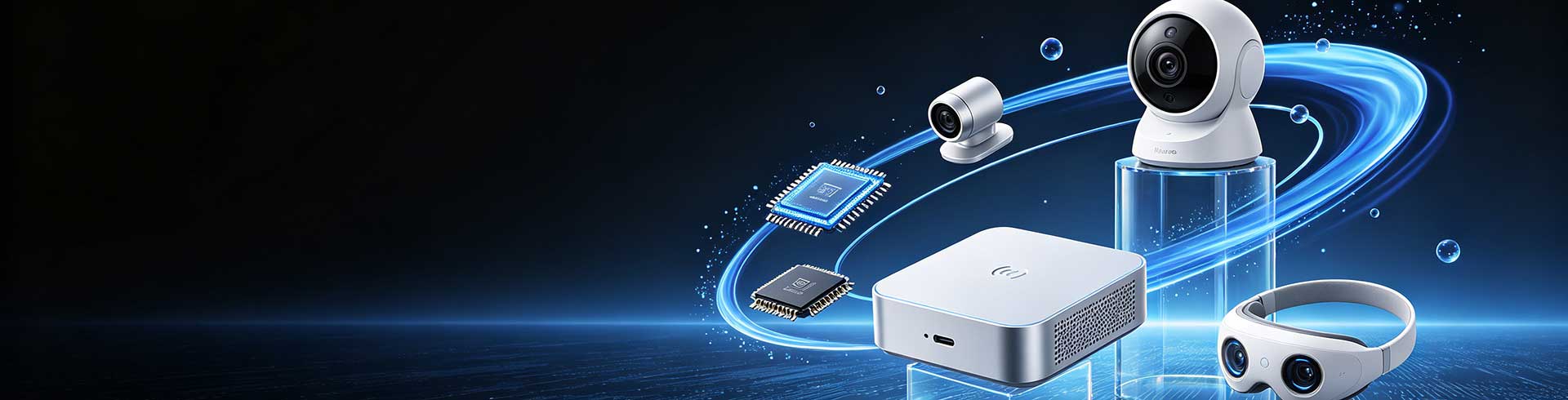
Smart Health Device Buying Guide: Full Analysis of Heart Rate, Sleep and Exercise
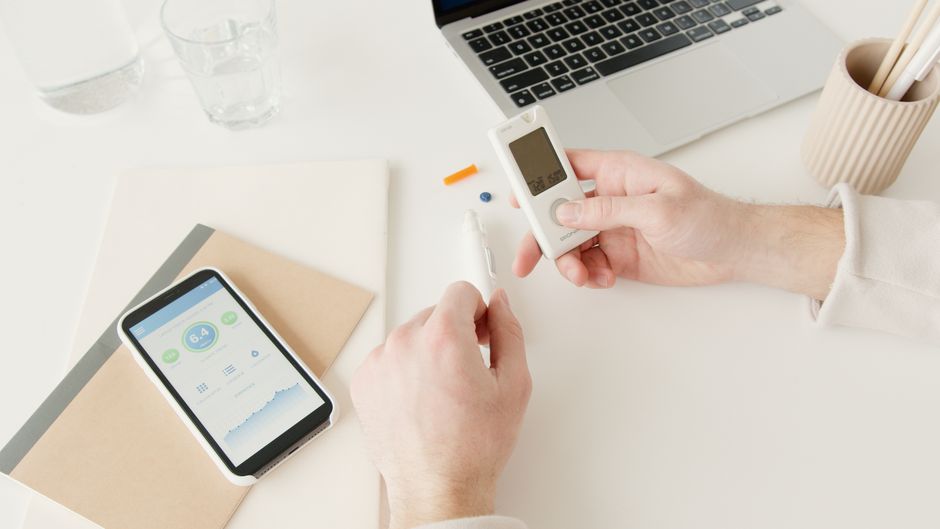
Why do we need smart health devices?
In the fast-paced modern life, health management is becoming more and more important. Smart health devices such as smartwatches, bracelets, body fat scales, etc., can monitor heart rate, sleep quality and exercise data in real time, helping us better understand our physical condition, find potential problems, and adjust our lifestyle. According to the IDC report, the global shipment of smart wearable devices has exceeded 500 million units in 2023, and it is expected to exceed 700 million units by 2027, which reflects the strong demand for health management.
However, in the face of a wide range of products on the market, how to choose a smart health device that suits you? This guide will provide you with detailed purchasing suggestions from three core dimensions: heart rate monitoring, sleep tracking, and exercise function.
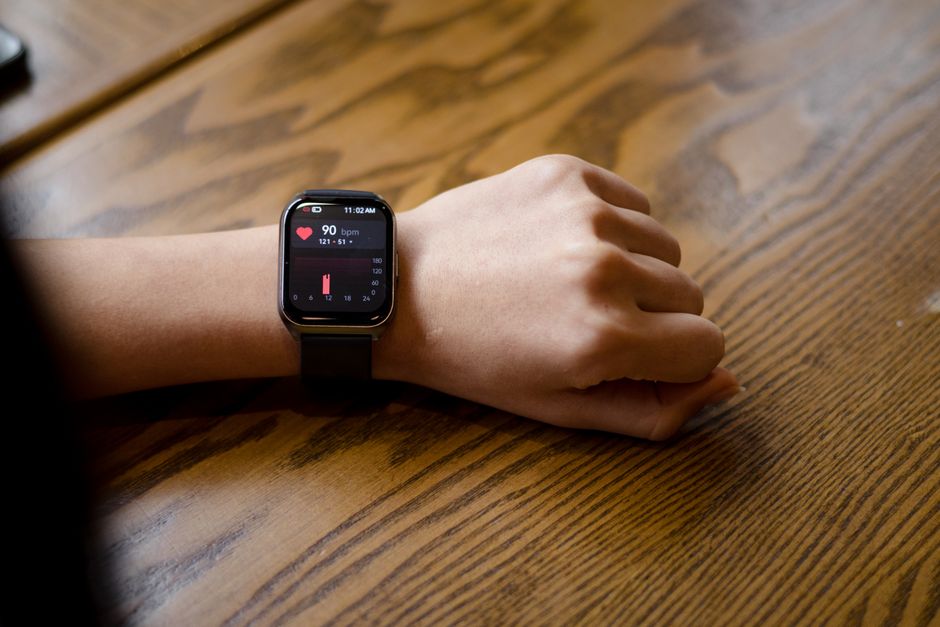
Heart rate monitoring: how to choose the core function?
The technical principle of heart rate monitoring
Current mainstream devices use photoplethysmography (PPG), which irradiates the skin with green LED light to detect changes in blood flow. High-end devices (such as Apple Watch Series 8) have also added an electrocardiogram (ECG) function to detect arrhythmias such as atrial fibrillation.
Buying points
- Monitoring accuracy
Check out third-party reviews, such as DC Rainmaker or The Quantified Scientist, to compare the heart rate error of different devices in rest and exercise. Usually the error is within ±5%. - continuous monitoring
Make sure the device supports 24-hour continuous heart rate monitoring, rather than just enabling it during exercise, which can help detect abnormal resting heart rates. - exception alert
Choose a device with a high or low heart rate alert, especially for people at risk of cardiovascular disease. - Sensor quality
Multi-channel sensors (e.g. Huawei TruSeen 5.0 +) are more stable than single-channel sensors, reducing motion interference.
Recommended product examples
| product | heart rate function | reference price |
|---|---|---|
| Apple Watch Series 9 | PPG + ECG, exception reminder | From 2999 yuan |
| Huawei Watch GT 4 | TruSeen 5.5, smart heart rate | From 1488 yuan |
| Mi Band 8 Pro | PPG, high/low heart rate reminder | ¥399 |
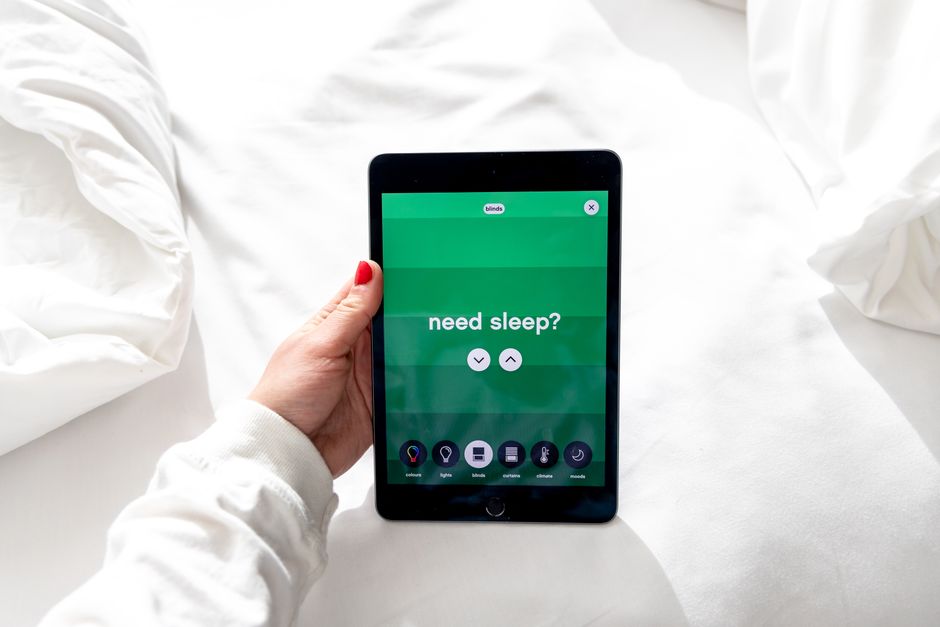
Sleep tracking: How to evaluate sleep quality?
Key metrics for sleep monitoring
Good sleep monitoring should provide: total sleep duration, deep sleep/light sleep ratio, rapid eye movement (REM) stage, number of nighttime wakes, and respiratory quality (e.g. oxygen saturation).
technical differences
- accelerometer
: Judging the sleep stage by body movement is common in entry bracelets, with low accuracy. - Heart rate + blood oxygen
Combined with changes in heart rate and blood oxygen, sleep stages can be more accurately identified and the risk of sleep apnea can be detected. - Electroencephalogram (EEG)
: Like the Dreem 2 headband, medical grade, but expensive and inconvenient.
Buying suggestions
- Preference is given to equipment with blood oxygen monitoring
: Such as Fitbit Sense 2 and OPPO Watch 4 Pro, which can provide sleep breathing scores. - Focus on data interpretation
Choose a device that provides sleep ratings and personalized recommendations, rather than just displaying data. - comfort
The equipment should be lightweight and the strap should be breathable to avoid affecting sleep.
measured comparison
According to a study in the journal Sleep Health, compared to PSG (polysomnography), Apple Watch's sleep staging accuracy is about 85%, while Xiaomi Band's is about 70%. If you have serious sleep problems, it is recommended to choose a medical-grade device or consult a doctor.
Motion Tracking: From Beginner to Professional
Sport Mode and GPS
Most devices support common modes such as running, cycling, and swimming, but professional athletes may need more specialized features such as triathlon, trail running, and more. Built-in GPS can record track and pace, and independent GPS (such as Garmin) is more accurate than devices that rely on mobile phones.
Key Functional Considerations
- Waterproof grade
: At least 5ATM (50 meters waterproof) to support swimming records. - motion algorithm
For example, Garmin's Firstbeat algorithm provides professional metrics such as maximum oxygen uptake and training load. - battery life
Long battery life (e.g. Amazfit GTR 4) is suitable for outdoor sports, while smartwatches typically require daily charging. - data synchronization
Make sure you can sync to common platforms (e.g. Strava, Keep) for easy management.
Special project recommendation
| Sports type | recommended equipment | feature |
|---|---|---|
| running | Gaochi Pace 3 | Lightweight, accurate GPS, professional running data |
| swimming | Huawei Watch Ultimate | 100 meters waterproof, diving mode |
| Fitness center | Apple Watch Ultra | Multiple strength training recognition, motion counting |
| ride | Garmin Edge 540 | Power meter support, dynamic analysis |
Other important considerations
Operating system and compatibility
iOS users can seamlessly integrate Apple Watch, but Huawei, Xiaomi and other brands also support iOS, but some functions are limited. Android users need to pay attention to whether the device is compatible with their mobile phone brand.
battery life
Smartwatches usually take 1-2 days, and bracelets can last for more than 7 days. If you need to continuously monitor sleep, long battery life is better.
data privacy
Health data is sensitive, choose brands with a clear Privacy Policy, such as Apple, Withings, and store data encrypted.
Summary: How to make the final choice?
The purchase of smart health equipment should be based on your own needs.
- Basic health monitoring
: Xiaomi Mi Band or Honor Band, cost-effective. - Total Health Management
Apple Watch or Huawei Watch GT series. - Professional sports training
: Garmin or Gao Chi.
Finally, no matter which device you choose, the key is to use it for a long time and pay attention to data changes. It is recommended to clarify the budget and core requirements first, then compare product reviews, and if necessary, go to the brick and mortar store experience.
I hope this guide will help you find the most suitable health partner and start a smart and healthy life!
 Skype
Skype demo@admin.com
 400-12345-67890
 13988889999