
 繁体中文
繁体中文 简体中文
简体中文

Smart Home Device Buying Guide: From Beginner to Mastery
Smart Home Device Buying Guide: From Beginner to Mastery
With the development of technology, smart homes have gradually entered thousands of households, bringing unprecedented convenience and comfort to our lives. However, in the face of a wide range of smart devices on the market, many consumers feel at a loss. This article will provide you with a comprehensive guide to buying smart home devices to help you create an efficient and smart home environment.
First, clarify requirements and budget
Before buying a smart home device, first clarify your needs and budget. Smart home systems can be as simple as just a few smart light bulbs, or as complex as whole-house automation. Therefore, you need to make a reasonable plan based on the living habits of your family members, the structure of the house, and your financial ability.
1. Requirements analysis
- security requirements
Do you need smart door locks, cameras, sensors, and other security equipment? - comfort requirement
Do you want to adjust the lighting, temperature, curtains, etc. intelligently? - entertainment demand
Do you need entertainment devices such as smart speakers and TVs? - Energy saving demand
Do you want to save energy through smart sockets and thermostats?
2. Budget planning
The price of smart home devices ranges from tens of yuan to tens of thousands of yuan. It is recommended to set a total budget first, and then allocate according to priorities. Usually, the price of basic equipment (such as smart speakers, smart light bulbs) is lower, while the cost of the whole house intelligence system is higher. In the beginning, you can start with small devices and gradually expand.
Second, understand the core technologies and protocols
Smart home devices rely on multiple communication protocols for connectivity, including Wi-Fi, Bluetooth, Zigbee, Z-Wave, and more. Understanding the advantages and disadvantages of these protocols can help you choose the right device and ensure they are compatible.
| agreement | advantage | disadvantage | applicable scenario |
|---|---|---|---|
| Wi-Fi | No gateway required, directly connected to the router | High power consumption and large quantity affect the network | Smart speakers, cameras, etc |
| Bluetooth | Low power consumption, simple connection | The transmission distance is short, and multiple devices are not supported | Smart bracelets, small household appliances |
| Zigbee | Low power consumption, support for a large number of devices, ad hoc networking | A gateway is required, and the price is slightly higher. | Whole house intelligence system |
| Z-Wave | Stable, anti-interference | Frequency bands are limited and there are fewer devices | Security sensor |
Select Suggestions
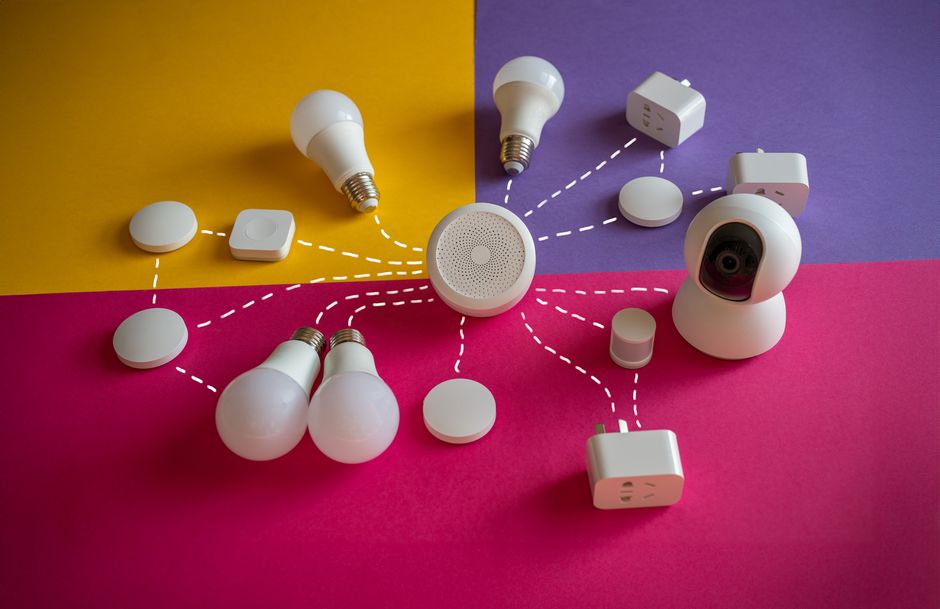
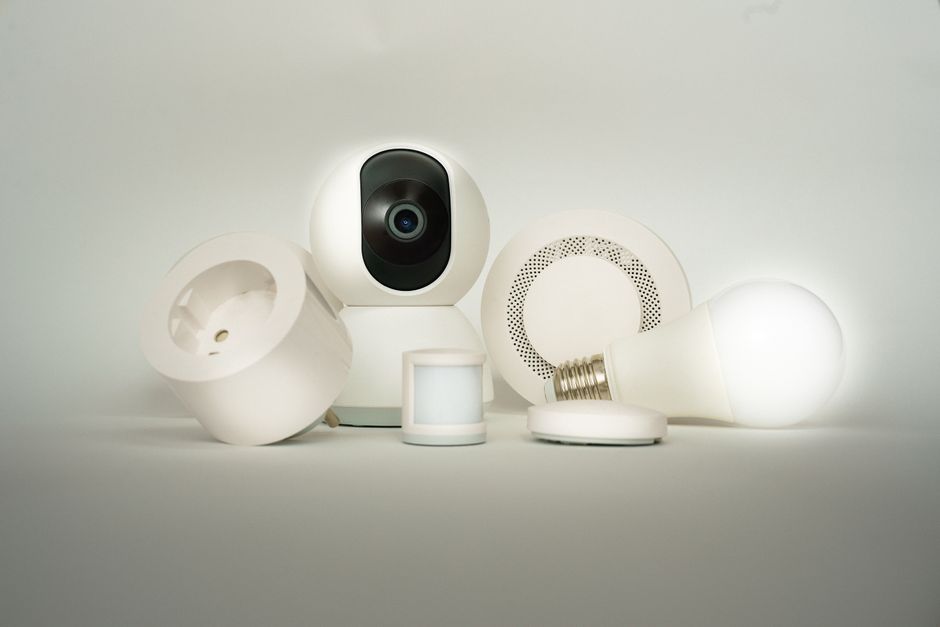
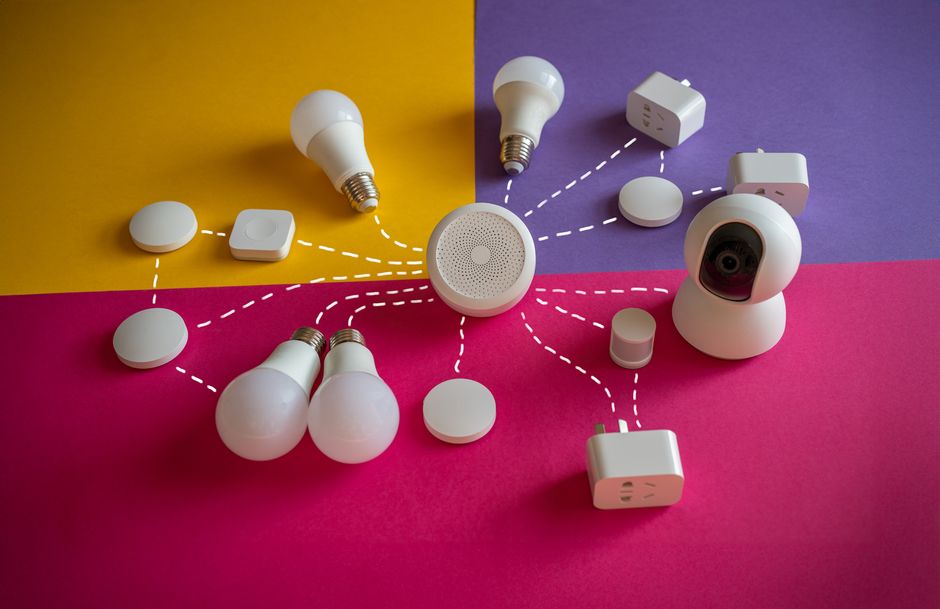
If you plan to build a whole-house smart device, it is recommended to choose a device that supports Zigbee or Z-Wave protocol and is equipped with a central gateway (such as Xiaomi multimode gateway). If you just buy a few independent devices, the Wi-Fi protocol is more convenient.
III. Select the core equipment
1. Smart Speaker
Smart speakers are the control center of smart homes, and other devices can be controlled through voice commands. At present, the mainstream ones include Xiao Ai, Tmall Genie, Xiaodu, etc. When choosing, consider sound quality, automatic speech recognition accuracy and ecological compatibility. For example, Xiaomi's ecological chain is rich in products, Xiao Ai is the first choice; while Tmall Genie is suitable for Ali users.
2. Smart light bulbs
Smart bulbs can adjust brightness and color, and support timing and scene linkage. It is recommended to choose bulbs that support mainstream protocols, such as Yeelight, Philips Hue, etc. Pay attention to the color temperature range, lumen number, and whether voice control is supported.
3. Smart door lock
Smart door locks are the core of security, with fingerprints, passwords, mobile apps and other unlocking methods. Products with functions such as C-class lock cylinder, semiconductor fingerprint identification, and anti-pry alarm are recommended. Brands such as Deschmann, Kaidish, Xiaomi, etc.
4. Smart camera
Smart camera for home monitoring, can choose indoor or outdoor version. Key parameters include resolution (at least 1080P), night vision capability, gimbal rotation, two-way voice, etc. Pay attention to privacy protection, choose well-known brands.
5. Smart curtains
Smart curtains support remote control, voice and timing control to improve the convenience of life. When purchasing, measure the track length and pay attention to the motor noise and mute level.
IV. Consider ecology and compatibility
The core of smart home devices lies in linkage. When purchasing, try to choose products from the same ecosystem to ensure seamless connection. At present, the main ecosystems are:
- Xiaomi Mijia
The product line is rich and cost-effective. - Apple HomeKit
Focusing on privacy and security, but with higher equipment prices. - Huawei HiLink
Relying on Huawei Smart Home, it is suitable for Huawei users. - Google Home
Overseas markets are the main market, with limited domestic support.
If you already have a smart speaker in a certain ecosystem, choosing the device in that ecosystem can simplify setup and linkage.
Installation and commissioning
Some equipment can be installed by yourself, such as smart light bulbs and smart sockets; while smart door locks, curtain motors, etc. are recommended for professional installation. Confirm whether installation services are provided before purchase and understand the installation cost.
Installation precautions
- Ensure network coverage: Wi-Fi signal stability is the foundation of smart homes, add signal expander if necessary.
- Follow the instructions: Connect gateways and subdevices correctly.
- Safe use of electricity: Installations involving power supplies must be powered off.
debugging and linkage settings
After the installation is completed, add devices and set scenes through the App. For example, set "Home Mode" to automatically turn off lights and curtains, start security cameras; set "Home Mode" to automatically turn on lights, air conditioners, etc. Proficient in the automation functions of the App can greatly improve the experience.
VI. Maintenance and safety
Smart home devices require regular maintenance and attention to cyber security.
- firmware update
Regularly check and update device firmware to fix vulnerabilities. - password security
Set strong passwords for smart devices and enable two-factor authentication. - privacy protection
Avoid placing cameras and other devices in private areas and regularly check access permissions. - Battery replacement
Battery-powered devices such as sensors and door locks should be replaced in a timely manner.
VII. Common problems and solutions
1. Device disconnection
Check the network connection and restart the router or gateway. If it continues to drop, it may be signal interference, try to change the channel.
2. Linkage does not take effect
Check the scene settings in the app to make sure the device is online and has the correct permissions. Sometimes it is necessary to re-add the device.
3. Voice control failure
Verify whether the device is compatible with smart speakers and reauthorize it.
Future trends and expansion
Smart home technology is changing with each passing day, and the integration of AI, Internet of Things, edge computing and other technologies will bring a smarter experience. Future devices will better understand user habits and achieve non-sensory interaction. When purchasing, choose a highly scalable platform for future upgrades.
conclusion
Smart home is not a symbol of luxury, but a tool to improve the quality of life. From entry to proficiency, the key is to clarify needs, plan rationally, choose compatible devices and make good use of linkage functions. I hope this guide will help you create a safe, comfortable and efficient home environment. Start your smart journey now!
 Skype
Skype demo@admin.com
 400-12345-67890
 13988889999