
 繁体中文
繁体中文 简体中文
简体中文
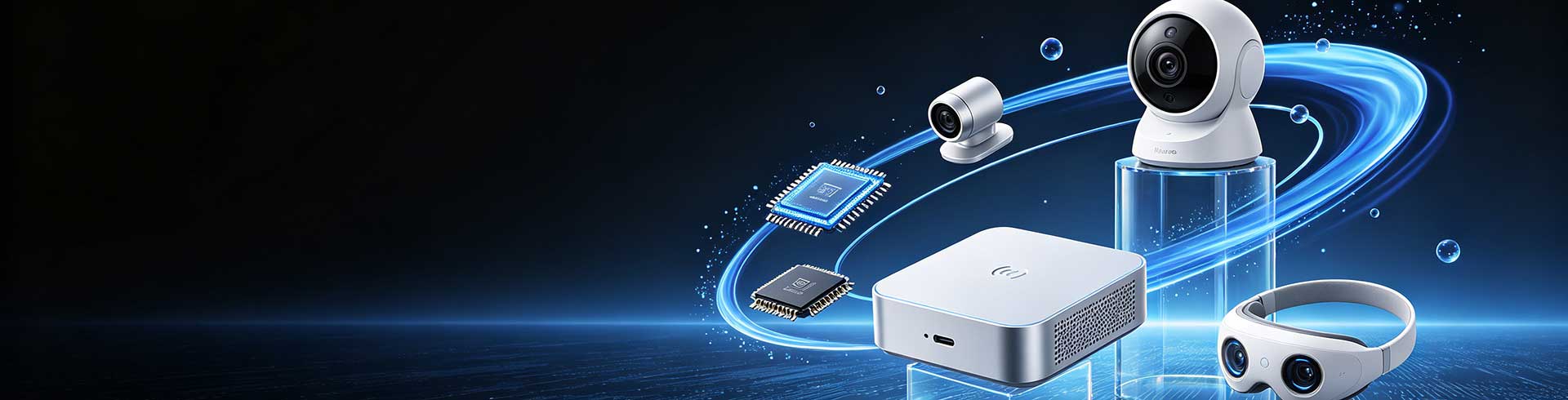
Inventory of new smart hardware products in 2024: Top 10 trends to see first

1. The AI model is fully empowered, and the intelligent hardware ushered in the "strongest brain"
In 2024, the AI big model is no longer a concept of the cloud, but a comprehensive sinking into all kinds of smart hardware. From smartphones and PCs to smart homes and wearable devices, end-to-side AI has become standard. Major chip manufacturers have launched flagship chips with integrated NPUs (neural networks processing units), such as Qualcomm's Snapdragon 8 Gen 4, MediaTek's Tianji 9400, and Apple's A18 Pro. They all have powerful local AI computing power, allowing devices to run complex AI models without networking.
The most obvious changes brought about by this trend are that voice assistants are more intelligent and can understand more complex semantics; AI can optimize the picture in real time when taking pictures; in office scenes, AI can automatically generate meeting notes and translate conversations. For example, Lenovo released the AI PC series, which has a built-in personal model and can provide personalized suggestions according to the user's usage habits. Intelligent hardware is no longer just a tool for executing instructions, but truly becomes the user's "intelligent assistant".
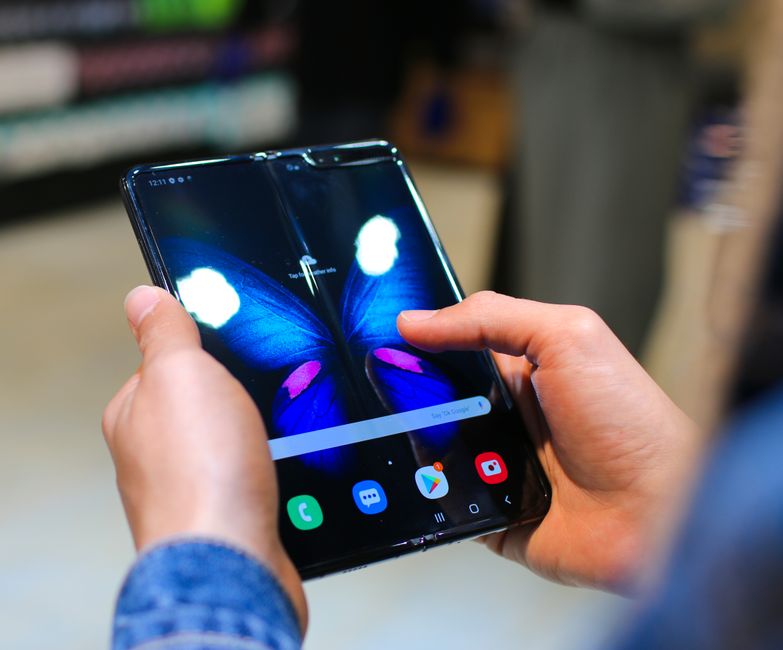
2. Folding screen mobile phone technology is mature, form innovation is blooming
In 2024, folding screen mobile phones will move from "early adopters" to "common use", and the technological maturity and market acceptance will be greatly improved. Samsung, Huawei, Xiaomi, OPPO, vivo and other brands have launched a new generation of folding screen products, which have made a qualitative leap in crease control, hinge durability and screen quality. In particular, Huawei Mate XT Extraordinary Master adopts a triple-fold design and has a large screen of about 10 inches after unfolding, taking into account the experience of mobile phones and tablets.
In addition to horizontal folding, vertical small folding phones are also popular, such as Motorola Razr 50 Ultra and Samsung Galaxy Z Flip6, which have become fashionable items with their stylish appearance and portability. The price of folding screen phones has also dropped to 5,000 yuan, further lowering the threshold for starting. It is expected that in 2025, folding screen phones will occupy more than 30% of the high-end market and become a new growth engine.

3. The health monitoring of smart wearable devices has been upgraded again, and non-invasive blood sugar monitoring has become a highlight
Smartwatches and bracelets continue to deepen their health monitoring functions, and the focus in 2024 is "non-invasive blood sugar monitoring" technology. Apple, Huawei, Samsung and other brands are developing solutions for blood sugar monitoring through optical sensors or radio frequency technology implementation. Although it is not fully commercialized yet, there have been breakthroughs. For example, the Huawei Watch 4 series adds hyperglycemia threat and risk assessment functions, which help users prevent hyperglycemia risk by analyzing the wearer's physiological data.
In addition, blood pressure monitoring, electrocardiogram, blood oxygen saturation, etc. have become standard for high-end smartwatches. OPPO Watch X, Xiaomi Watch S4 and other products have passed the medical apparatus certification and can provide professional health data. Smart wearable devices are evolving from "sports recorders" to "portable health stewards", providing users with health management throughout the life cycle.
4. Smart home connectivity accelerates, Matters protocol becomes industry standard
In 2024, the biggest change in the smart home industry is the realization of interconnection. After several years of promotion, the Matter protocol has finally gained wide support from mainstream manufacturers. Apple, Google, Amazon, Samsung, Xiaomi and other giants have joined, making different brands of smart devices can work seamlessly. Users no longer need to install separate apps for each brand, and one platform can control all devices.
This trend has promoted the prosperity of the smart home ecosystem. For example, smart light bulbs, smart door locks, cameras and other products that support the Matter protocol are on the market in large quantities, and the price is more affordable. At the same time, the whole house smart solution is also maturing, and users can customize the scene according to their own needs, such as "home mode" to automatically turn on lights, air conditioners and curtains. Smart homes are no longer geek toys, but choices for ordinary families to improve the quality of life.
5. AR/VR devices are exploding, ushering in the era of spatial computing
2024 is known as the "Year of Spatial Computing". The release of Apple Vision Pro sets a new benchmark for the AR/VR industry. Although its high price limits popularity, it drives the development of the entire industry chain. Brands such as Meta, Pico, and Sony have also launched their own headsets, such as the Meta Quest 3S, which provides a good experience at a lower price.
In terms of technology, Micro-OLED screens, gesture recognition, eye tracking, etc. have become standard, making the experience of virtual and reality fusion more immersive. Application scenarios have also expanded from gaming and entertainment to office, education, medical and other fields. For example, designers can create 3D models in virtual spaces, and doctors can assist surgeries through AR. As the technology matures and the cost decreases, AR/VR devices are expected to become the next generation of computing platforms.
6. Smart cars become the end point of mobile intelligence, and the competition in smart cockpits is intense
Cars are evolving into the second largest smart end point after mobile phones. In 2024, smart cockpits will become the focus of competition among major car companies. Qualcomm 8295 chips have become standard in mid-to-high-end models, supporting functions such as multi-screen linkage, voice control, gesture interaction, etc. Ideal, NIO, Xiaopeng and other new power brands continue to introduce new ideas in the smart cockpit experience, such as Ideal MEGA's "home theater" mode, Xiaopeng X9's "mobile living room" concept.
At the same time, intelligent driving technology is also developing rapidly. Huawei ADS 3.0, Xiaopeng XNGP and other systems have realized urban NOA (Pilot Assisted Driving), allowing vehicles to drive automatically under complex road conditions. Smart cars are not just a car, but also a mobile smart space, providing users with entertainment, office, social and other diversified services.
7. Robot application scenarios expand, and humanoid robots are commercialized
In 2024, robotics will usher in important breakthroughs, especially the commercialization of humanoid robots from the laboratory. Tesla Optimus, Xiaomi CyberOne, UBTECH Walker and other products are being piloted in factories, logistics, homes and other scenarios. They can complete tasks such as handling, sorting, cleaning, and even carry out simple conversations.
In addition, service robots are also widely used in catering, hotels, medical and other fields. For example, delivery robots, guidance robots, disinfection robots, etc., they not only reduce labor costs, but also improve efficiency. With the empowerment of AI models, the intelligence level of robots has been greatly improved, and they can better understand and adapt to complex environments. In the future, humanoid robots are expected to enter thousands of households and become a member of the family.
8. Charging technology innovation, wireless charging and fast charging speed up
The battery life of smart hardware has always been a pain point for users, and charging technology has made significant progress in 2024. In terms of wired fast charging, mobile phone manufacturers have launched 100 watts of charging power, such as Xiaomi's 120W and vivo's 200W, which can fill a mobile phone in 10 minutes. Wireless charging technology has also broken through the power limit. Huawei's 80W wireless fast charging and OPPO's 50W wireless flash charging make the wireless charging experience close to wired.
In addition, the compatibility of wireless charging is also improving. The Qi2 standard supports magnetic charging, making it universal for Apple and Android devices. At the same time, air charging technology has also begun to emerge. Although it has not yet been commercialized, it has shown great potential. The innovation of charging technology allows smart hardware to break free from the constraints of wires and bring users a more convenient experience.
9. Environmental protection and sustainable development become key words
In 2024, smart hardware manufacturers will focus on environmental protection and sustainable development while pursuing performance. Brands such as Apple, Samsung, and Huawei use recycled materials such as recycled aluminum and recycled plastics in their product designs. At the same time, packaging is also trending towards simplification, reducing the use of plastics. For example, Apple announced that its product packaging has completely removed plastic film and used recycled fiber materials.
In addition, the energy efficiency of products is also constantly improving. For example, smart appliances have higher energy efficiency levels and lower power consumption. Manufacturers also provide longer warranties and software update support to extend the service life of products and reduce e-waste. Sustainability is not only the responsibility of enterprises, but also an important factor for consumers to choose products.
10. Privacy, security and data protection are receiving unprecedented attention
As smart hardware collects more and more data, privacy and security have become the focus of users' attention. In 2024, major manufacturers have taken stricter measures on privacy protection. The popularity of end-to-side AI makes data processing can be done locally, reducing the risk of data going to the cloud. Apple's "App Tracking Transparency" function and Android's "Privacy Dashboard" all make users more transparent about the use of data.
At the same time, the security performance of smart hardware is also improving, such as biometric technology (fingerprint, face, iris) is more secure and reliable. Smart home devices have also strengthened cyber security protection to prevent hackers from invading. Vendors have also introduced privacy protection models, such as physical shielding of cameras, disabling switches for microphones, etc. Privacy security is no longer just a legal requirement, but the key for brands to win the trust of users.
 Skype
Skype demo@admin.com
 400-12345-67890
 13988889999