
 繁体中文
繁体中文 简体中文
简体中文

The next five-year trend of intelligent hardware: the deep integration of AI and the Internet of Things
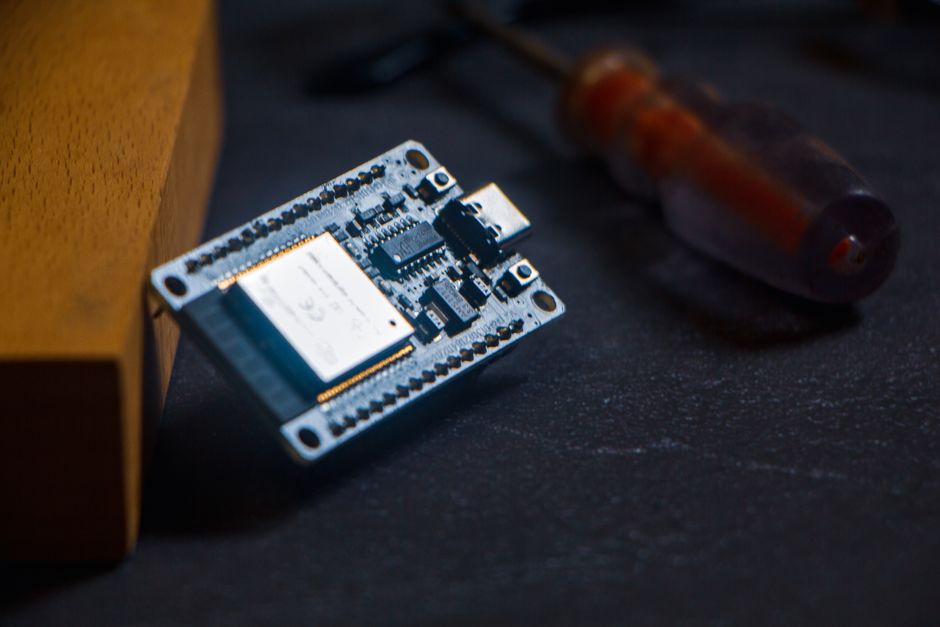
Introduction: The Golden Age of Smart Hardware
With the rapid development of artificial intelligence (AI) and Internet of Things (IoT) technologies, smart hardware is being integrated into our daily lives at an unprecedented rate. From smart homes to wearable devices, from industrial automation to smart cities, smart hardware is reshaping the way the world works. In the next five years, the deep integration of AI and the Internet of Things will open a new era of intelligence, bringing smarter, more efficient and more personalized experiences. This article will delve into the development trend of smart hardware in the next five years and reveal the infinite possibilities of the integration of AI and the Internet of Things for you.

Trend 1: Localization of AI chips and edge computing
At present, most AI functions of smart hardware rely on cloud processing, but over the next five years, AI chips will gradually become localized and marginalized. By processing data directly on the device side, edge computing reduces latency and improves response speed, while enhancing data privacy and security.
Why is edge computing crucial?
- Low latency:
For scenarios such as autonomous driving and industrial control, millisecond latency can make or break. Local AI processing does not need to wait for a cloud response, enabling real-time decision-making. - Privacy protection:
Sensitive data (e.g. home surveillance video, health data) does not need to be uploaded to the cloud, reducing the risk of leakage. - Available offline:
Even if the network is down, the device can still function normally, enhancing reliability.
In the future, we will see more end point chips with integrated neural processing units (NPUs), such as Qualcomm's Snapdragon series, Apple's A series chips, Huawei's Kirin chips, etc., which will empower mobile phones, cameras, smart speakers and other devices to achieve faster AI inference.
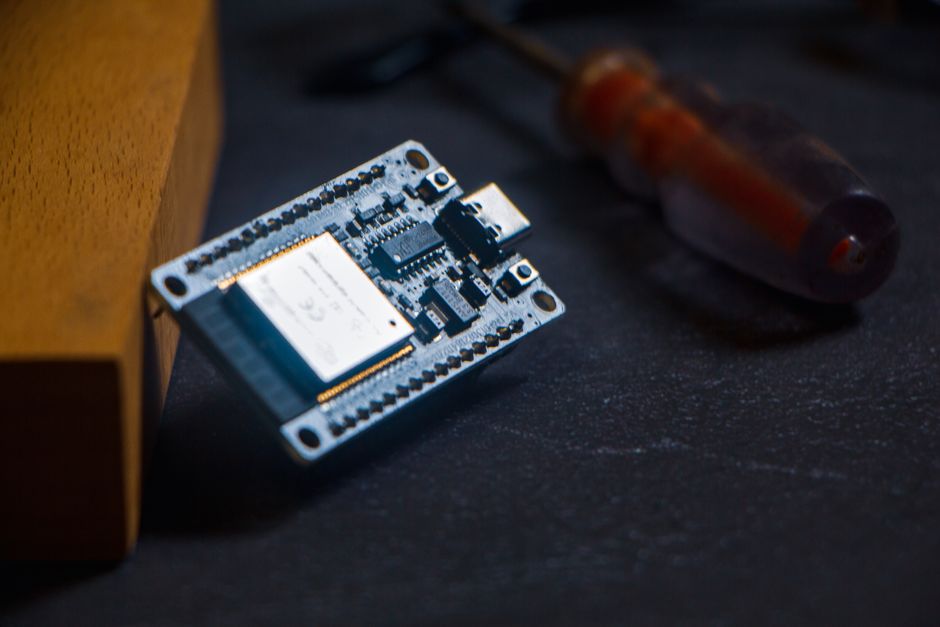
Trend 2: Multimodal interaction becomes standard
In the future, smart hardware will no longer be limited to a single voice or touch interaction, but will integrate multiple modalities such as voice, vision, gestures, and expressions to provide a more natural and user-friendly interaction experience.
Application scenarios of multimodal interaction
- Smart home:
By recognizing user gestures through the camera, combined with voice commands, more precise control can be achieved. For example, if the user points to the air conditioner and says "turn down the temperature", the system can understand the specific object. - Wearable devices:
By detecting physiological signals such as heart rate and body temperature, combined with the user's voice and movements, personalized health advice is provided. - On-board system:
Determine the driver's fatigue status through facial recognition, and cooperate with voice reminders and automatic seat adjustments.
The popularity of multimodal interaction will rely on more advanced sensor fusion technologies and deep learning algorithms to make devices more human-aware.
Trend 3: Personalized and Adaptive Learning
The future of smart hardware will no longer be cold machines, but "partners" that can learn user habits, preferences, and proactively provide personalized services. Through continuous training of AI algorithms, devices will gradually adapt to each user's unique needs.
Examples of personalized experiences
- Smart Speaker:
It can distinguish the voices of family members and customize music, news, and schedules for each individual. - Smart bracelet:
According to the user's exercise data and sleep patterns, the training schedule and reminder time are automatically adjusted. - Intelligent lighting:
According to the user's lifestyle, the lighting brightness and color temperature are automatically adjusted to create the best atmosphere.
This adaptive capability will enable smart hardware to truly integrate into life and become an indispensable assistant.
Trend 4: Security and privacy protection come into focus
With the proliferation of smart hardware, cyber security and user privacy issues are becoming increasingly prominent. In the next five years, security will become a core principle of smart hardware design, not an afterthought.
Key safety measures
- End-to-end encryption:
Make sure that data is not stolen or tampered with during transmission and storage. - Secure Boot and Firmware Signing:
Prevent malicious software from implanting in devices. - User authorization and transparency:
Clearly inform users of the scope and purpose of data collection, and provide a simple authorization management interface. - Regular security updates:
Fix known vulnerabilities in a timely manner to prevent zero-day attacks.
In addition, governments will also introduce stricter data protection regulations, such as the European Union's GDPR and China's Data Security Law, to promote industry self-discipline.
Trend 5: Energy Efficiency and Sustainability
The popularity of smart hardware has led to an increase in energy consumption. In the next five years, energy conservation and environmental protection will become important considerations in product design, and low-power chips, energy harvesting technologies and recyclable materials will be widely used.
Energy-saving technology trends
- Low Power Wide Area Network (LPWAN):
Such as LoRa and NB-IoT, sensor battery life can reach several years. - Energy harvesting:
Utilize environmental energy sources such as solar energy, vibration, and temperature difference to power devices, and realize self-powered Internet of Things nodes. - Intelligent power management:
Predicting device usage patterns through AI algorithms and dynamically adjusting power consumption.
At the same time, manufacturers will adopt a modular design for easy maintenance and upgrades, reducing e-waste.
Practical Suggestions: How to Embrace the Future of Smart Hardware
For businesses and developers, seizing these trends represents a huge opportunity. Here are some practical tips:
1. Invest in AI and IoT convergence technologies
From the outset of product design, consider AI capabilities, whether it is embedded AI or cloud AI, to ensure that the hardware has sufficient computing power and connectivity.
2. Emphasis on user experience
Put the user at the center, simplify the interaction process, and provide an intuitive interface. Multimodal interaction is not about stacking functions, but allows users to control the device more naturally.
3. Establish a safety baseline
Incorporate security into the development process, providing comprehensive protection from hardware and firmware to the application layer, and conducting regular security tests.
Step 4 Consider sustainability
Select environmentally friendly materials, optimize energy consumption, and design upgradable modules to extend product lifecycle.
5. Embrace an open ecosystem
Supports mainstream IoT protocols (e.g. MQTT, CoAP) and smart home standards (e.g. Matter) to ensure interoperability between devices.
conclusion
In the next five years, the integration of AI and the Internet of Things will push smart hardware into a new stage. Whether it is technological evolution or application scenarios, it will be more intelligent and user-friendly. For consumers, life will become more convenient and safer; for the industry, this will be a profound change. Deploy early and embrace trends in order to be invincible in the smart wave.
 Skype
Skype demo@admin.com
 400-12345-67890
 13988889999