
 繁体中文
繁体中文 简体中文
简体中文

Smart Camera Privacy Protection Guide: Practical Hacking Prevention Tips
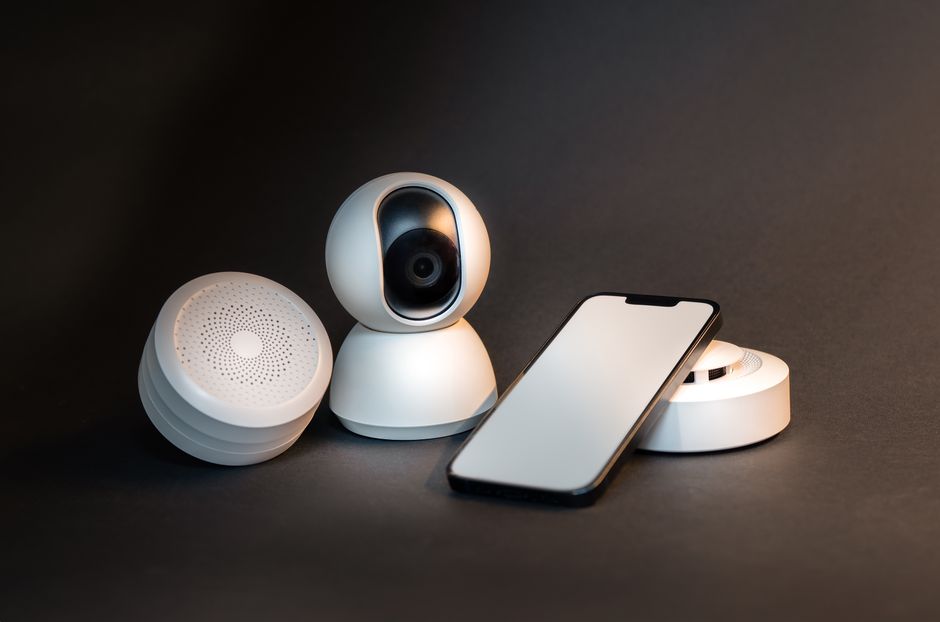
The current state of smart camera security: Why your privacy may be under scrutiny
With the popularity of smart homes, smart cameras have become an important tool for home security. However, in recent years, smart cameras have been hacked and privacy leaks have occurred frequently, causing widespread concern. According to the statistics of security agencies, there are more than tens of thousands of cameras worldwide that have default passwords or unfixed vulnerabilities, which can be easily invaded by hackers through scanning tools. Once the camera is controlled, not only will the home monitoring screen be stolen, but it may even be used for extortion or illegal live broadcast. Therefore, it is essential to master privacy protection skills.
Common Attacks: How Hackers Can Hack Your Camera
Understanding the attack method is the first step in defense. Here are some common hacker methods:
- Weak password attack:
Cameras that use a default password or a simple password (such as "123456") are vulnerable to brute force cracking. - Vulnerability Exploitation:
Known vulnerabilities in firmware or software, such as buffer overflows, can be exploited remotely to gain control. - Man-in-the-middle attack:
Data is intercepted in a Wi-Fi network, or after a router is breached, hackers can tamper with or steal video streams. - Malicious software:
Infect your phone or computer with phishing emails or malicious links to gain control of cameras on the same network.
Practical measures to protect privacy: from basic to advanced
The following measures can significantly enhance the security of your camera:
1. Change the default password and enable strong passwords
After purchasing the camera, log in to the management interface immediately and change the default account password. Use a strong password with uppercase and lowercase letters, numbers, and special characters, at least 12 digits long. Avoid using easy-to-guess information such as birthday and mobile phone number. At the same time, turn on the two-step verification (2FA) function to add a second line of defense to the account.
2. Regularly update firmware and software
Manufacturers regularly release firmware updates to fix security bugs. Turn on the automatic update function in the camera management background or official app, or manually check for updates regularly. At the same time, keep the mobile app and computer client side up to date to prevent known vulnerabilities from being exploited.
3. Set up a separate Wi-Fi network
Set up a separate guest network for smart devices (including cameras), isolated from the main network. This way, even if the camera is breached, hackers cannot access your computer, mobile phone and other core devices. Enable WPA2 or WPA3 encryption in the router and set complex Wi-Fi passwords.
4. Turn off unnecessary remote access features
If you don't need to view it in real time on the external network, please turn off the "remote access" or "Cloud as a Service" function of the camera. If you must use it, you should restrict access to IP through VPN or port forwarding to avoid exposure to the public network.
5. Use secure protocols and encrypted communication
Make sure the camera supports encryption protocols such as HTTPS and TLS, and enable encrypted transmission. Turn off the UPnP (Universal Plug and Play) function in the router to prevent the camera from automatically opening ports.
6. Regularly check the equipment status
Regularly check the login log and connection history of the camera. If you find an abnormal IP or unknown device, immediately change the password and check whether the device is hacked. At the same time, turn off the "automatic login" function of the camera to avoid leaking credentials under public Wi-Fi.
7. Physical occlusion: a simple and effective last line of defense
When not using the camera, cover the lens with a physical occlusion (e.g. lens cap, tape). For cameras with built-in gimbal, set the privacy mode to automatically turn to the wall. This is the most direct way to prevent hackers from peeping.
Suggestions for buying a security camera
When purchasing, pay attention to the following security features:
- Brand reputation:
Select well-known brands that typically have stricter security standards and timely security updates. - Encryption technology:
Priority is given to products that support WPA3, TLS 1.2 and above encryption. - Two-factor authentication:
Make sure to support 2FA to increase account security. - Local storage:
Support SD card or NAS storage to avoid uploading videos to the cloud and reduce the risk of data leakage. - Privacy Mode:
Hardware-level privacy switch or software privacy mode for convenient physical occlusion.
Home cyber security enhancement guide
Camera security is closely related to the home network. The following measures are recommended:
- Router security:
Change the default password of the router, disable the WPS function, and turn off remote management. - Network Firewall:
Enable the router's built-in firewall and enable MAC address filtering to allow only known devices to connect. - Periodic scanning:
Scan your home network with security software such as Fing to detect unknown devices and deal with them promptly. - Avoid using public Wi-Fi.
Do not check the camera over public Wi-Fi. For remote access, use a VPN.
Emergency response: what to do after a camera has been hacked
If you suspect that the camera has been hacked, take the following actions immediately:
- Disconnect the camera power supply and unplug the network cable.
Prevent further incursions. - Reset the camera:
Long press the reset button to restore the factory settings and reset the new password. - Update firmware:
After the reset, update the firmware to the latest version immediately. - Check the network:
Change your Wi-Fi password and check your router for any unfamiliar devices. - Contact the manufacturer:
Report the incident to the manufacturer and seek technical support.
Conclusion: Safe use, safe life
Smart cameras are a good helper for guarding the home, but safe use can avoid privacy leakage. With this guide, I hope you can improve the security level of the camera and enjoy the convenience brought by technology. Remember, security protection is an ongoing process, and regular updates and inspections are necessary. If your device is no longer able to receive security updates, it is recommended to replace it with a new model to ensure long-term security.
 Skype
Skype demo@admin.com
 400-12345-67890
 13988889999