
 繁体中文
繁体中文 简体中文
简体中文
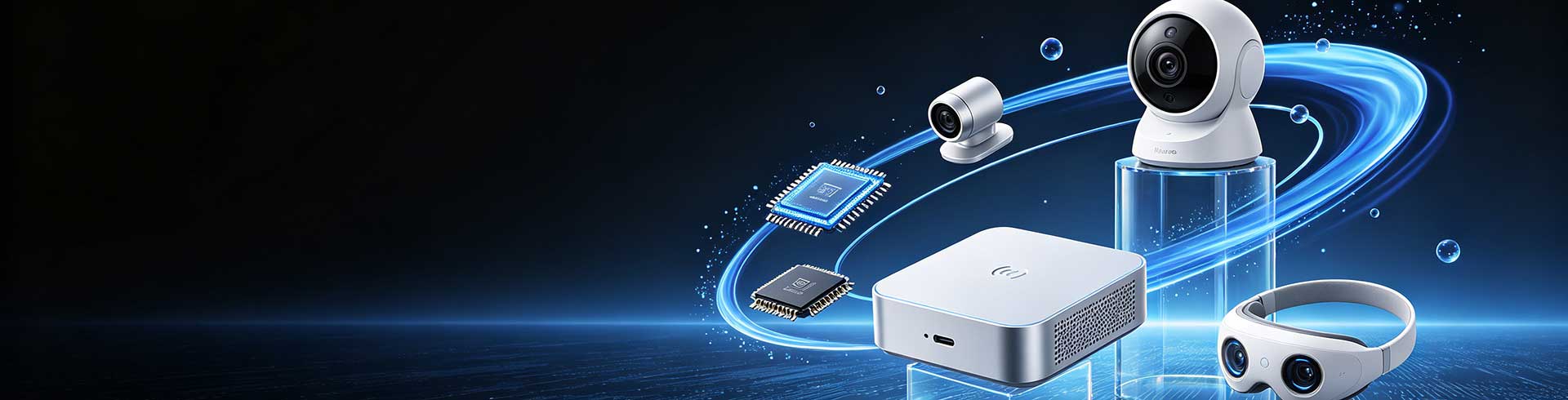
Global Smart Wearable Devices Market Report: Growth and Opportunities
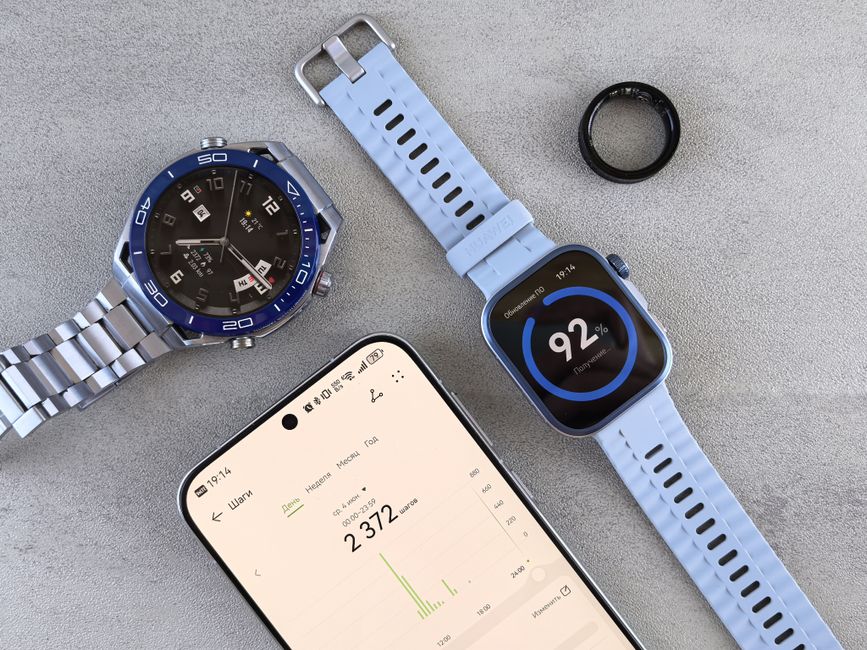
Global smart wearable device market overview
With the rapid development of the Internet of Things, artificial intelligence and big data technologies, the global smart wearable device market is experiencing unprecedented growth. From smart watches and bracelets to smart glasses and smart clothing, these devices not only change people's daily lifestyle, but also show great potential in the fields of medical health, sports fitness, entertainment interaction, etc. According to the latest market research report, the global smart wearable device shipments have exceeded 500 million units in 2023. It is expected to continue to grow at a compound annual growth rate (CAGR) of 15.2% by 2028, and the market size is expected to exceed $100 billion. This growth trend is mainly driven by consumers' emphasis on health management, technological advancements, and the popularity of 5G networks.
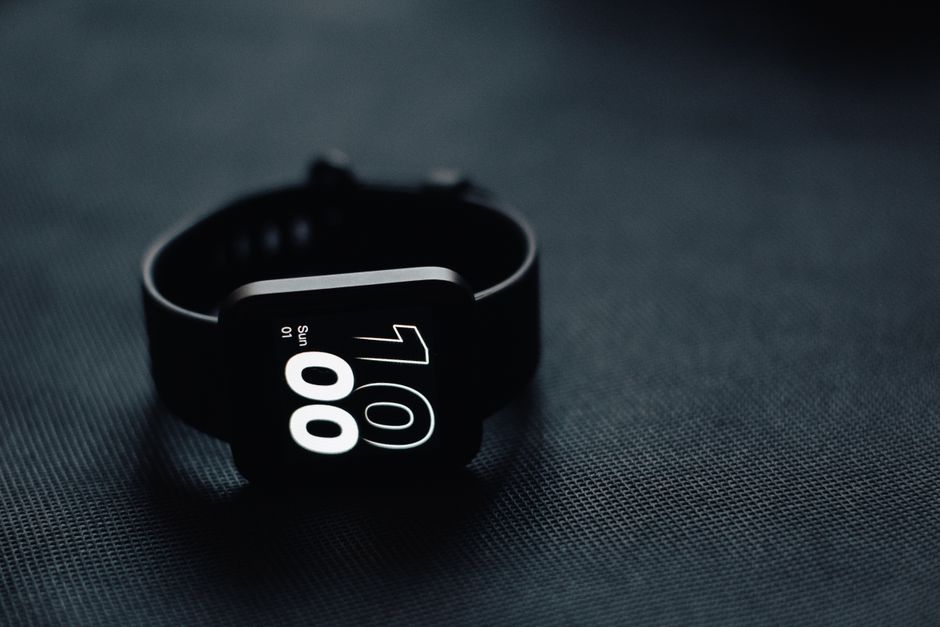
Key drivers of market growth
Health and fitness awareness
In the post-epidemic era, people's concern about their own health has reached an all-time high. Smart wearable devices such as smartwatches and bracelets can monitor physiological indicators such as heart rate, blood oxygen saturation, sleep quality in real time, and provide personalized health advice. This trend of "quantified self" has prompted consumers to see smart wear as a must-have tool for daily health management. For example, the Apple Watch's electrocardiogram function and fall detection, as well as the Huawei bracelet's sleep monitoring, have become key selling points to attract users.
Technological innovation and functional diversification
The miniaturization of sensor technology, the advancement of low-power chips, and the optimization of AI algorithms have made the functions of smart wearable devices no longer limited to simple step counting and notification reminders. Today, high-end devices have supported medical-grade functions such as blood pressure monitoring, blood sugar threat and risk assessment, stress tracking, and even non-invasive blood sugar monitoring technology. In addition, the application of flexible screens, new battery materials (such as solid-state batteries) and wireless charging technology has further enhanced the user experience and battery life of the device.
The integration of 5G and the Internet of Things
The high bandwidth and low latency of 5G networks provide smart wearable devices with more stable and faster data transmission capabilities, enabling them to seamlessly connect to the IoT ecosystem. Real-time data sharing can be achieved between devices, such as smartwatches that can control smart home devices or interact with smart cars. This interoperability greatly expands the application scenarios of smart wearables, extending from personal consumption to smart homes, smart offices and vehicles to everything.
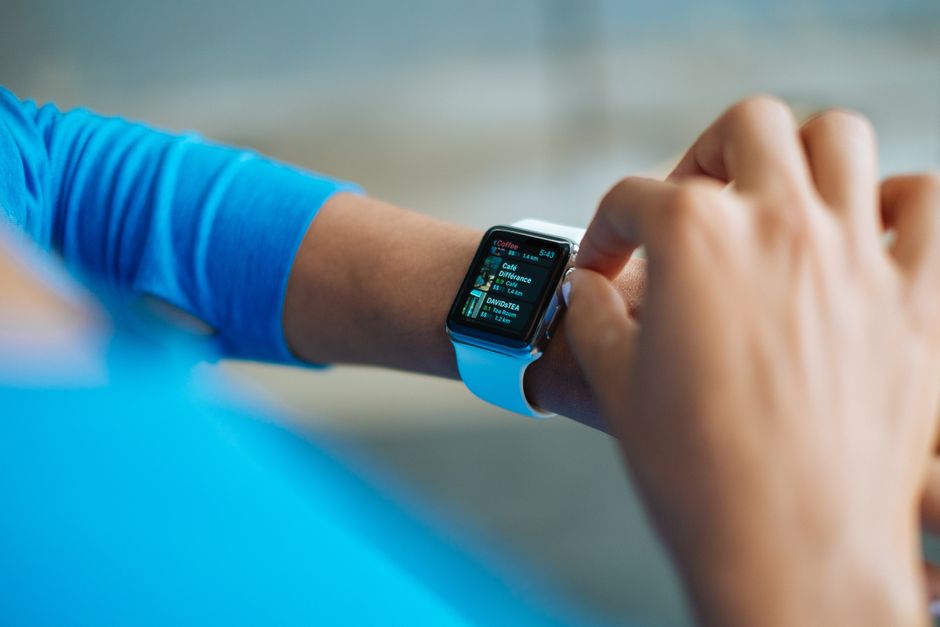
Market segmentation and key players
By product type
- smartwatch
: Occupy the largest market share, about 60%. Major brands include Apple, Samsung, Huawei, Xiaomi, etc. - Smart bracelet
Famous for its cost-effectiveness, with a market share of about 25%, it represents brands such as Xiaomi, Huawei, and Honor. - Smart glasses
In the stage of rapid growth, the integration of AR/VR technology makes it the next trend. Representative products include Google Glass, Meta Ray-Ban Stories, etc. - Smart clothing and footwear
Integrated sensors and flexible circuits for motion monitoring and medical rehabilitation, such as Athos, Under Armour, and others.
By application scenario
- Consumer Electronics
: Including daily health management, news notifications, entertainment, etc. - Medical Health
Remote patient monitoring, chronic disease management, rehabilitation training, etc. - Sports fitness
Professional sports data recording, motion analysis, etc. - Industry and military
Used for worker safety monitoring, soldier status tracking, etc.
Key market players
| company | Main products | Marketing Strategy |
|---|---|---|
| Apple | Apple Watch series | Emphasize health ecology and cooperate with medical institutions to provide ECG and blood oxygen testing. |
| Huawei | HUAWEI WATCH GT series, bracelet | Independent research and development of chips and Hongmeng systems to achieve multi-device collaboration. |
| Samsung | Galaxy Watch Series | Integrate the Galaxy ecosystem to focus on health and sports functions. |
| millet | Xiaomi watch, bracelet | Cost-effective route, rapid iteration, covering the mid- to low-end market. |
| Garmin | Sports Watch Series | Focusing on professional sports, with high data accuracy. |
Regional market analysis
North America
North America is the world's largest smart wear market, accounting for more than 30% of the global share. American consumers have a high acceptance of high-tech products and have strong purchasing power. Local brands such as Apple Watch and Fitbit dominate. In addition, the acceptance of remote monitoring in the US healthcare system has also promoted the development of medical-grade wearable devices.
Europe
The European market focuses on data privacy and security, and GDPR regulations place strict requirements on data collection of devices. But consumer demand for health tracking features is strong, with Germany, the UK and France being the main markets. Local brands such as Withings (France) and Polar (Finland) have some competition.
Asia Pacific
The Asia-Pacific region is the fastest growing market, mainly due to the large population and rapid urbanization process in China, India and South East Asia countries. China is the world's largest smart wear manufacturing base, and brands such as Huawei, Xiaomi and OPPO are increasingly influential in the global market. The Indian market is more popular for low-end products due to price sensitivity.
Other regions
The Latin American, Middle Eastern and African markets are still in their infancy, but the popularity of smartphones has laid the foundation for the promotion of smart wear. In the future, with the improvement of economic level and the improvement of Internet infrastructure, these regions will become new growth points.
Consumer behavior and trend insights
purchasing decision factors
According to the survey, the most important factors for consumers when purchasing smart wearable devices are: health monitoring accuracy (78%), battery life (65%), brand reputation (58%), beautiful design (50%) and price (45%). This shows that in the case of functional homogeneity, brand and design become the key to differentiating competition.
usage habits
Most users wear smartwatches for more than 12 hours a day, mainly for health monitoring and notification viewing. However, 30% of users still stop using some functions within a month after purchase, mainly due to complex operation or difficulty in interpreting data. Therefore, simplifying the user interface and providing personalized suggestions are important means to improve user stickiness.
Privacy and security concerns
Smart wearable devices collect a large amount of personal health data, and users are increasingly concerned about data leakage and abuse. Vendors need to strengthen data encryption and transparency policies to build user trust. For example, Apple emphasizes data-side processing, and the European Union's GDPR also provides legal protection.
Industry challenges and opportunities
challenge
- battery life bottleneck
High-performance sensors and screens consume a lot of power, while battery technology advances slowly, limiting the ability of devices to continuously monitor. - Data accuracy
The threshold for medical-grade certification is high, and data errors in non-professional equipment can be misleading. - homogeneous competition
Product functions converge, price wars lead to lower profits, and innovation space is compressed. - Supply chain risk
The dependence on imports of core chips and sensors, geopolitics and epidemics may affect the stability of supply.
opportunity
- Medical grade application
Collaborate with hospitals and insurance companies to develop scenarios such as chronic disease management and post-operative rehabilitation, and achieve business model innovation. - AI and Big Data
Combining AI algorithms to provide health predictions and personalized recommendations to enhance the value of equipment. - Emerging technology convergence
AR/VR smart glasses, wearable robots, and other new forms of equipment will open up new markets. - Deep market segmentation
Develop special equipment for the elderly, children, pregnant women and other specific groups to meet differentiated needs.
Future vision and strategic recommendations
Looking to the future, the global smart wearable device market will continue to grow at a high rate, but competition will also become more intense. For enterprises, the key is to grasp the following trends:
- Ecological health management
Moving from a single device to a health management platform, integrating hardware, software, and services to provide a one-stop solution. - non-sensory design
Devices will be lighter, more invisible, and even implanted in the body or embedded in clothing, enabling all-weather sensory monitoring. - multimodal interaction
Voice, gesture, eye movement and other interaction patterns will enrich the user experience and improve operation efficiency. - Data security and compliance
Winning user trust is a cornerstone of long-term development, and companies should take the initiative to comply with national data protection regulations.
In short, smart wearable devices are not only technology products, but also a bridge connecting people and the digital world. Driven by the awakening of health awareness and technological iteration, this market holds infinite possibilities. Enterprises need to constantly innovate and gain insight into consumer needs in order to stand out in the fierce market competition.
 Skype
Skype demo@admin.com
 400-12345-67890
 13988889999