
 繁体中文
繁体中文 简体中文
简体中文
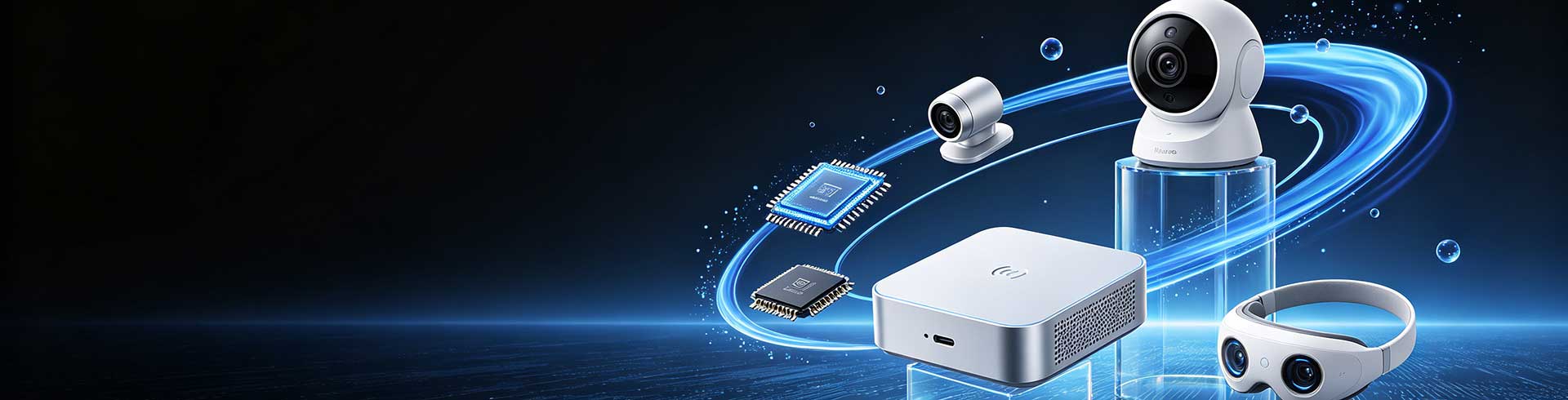
Xiaomi, Huawei, Apple's smart home ecosystem comparison: who is stronger?
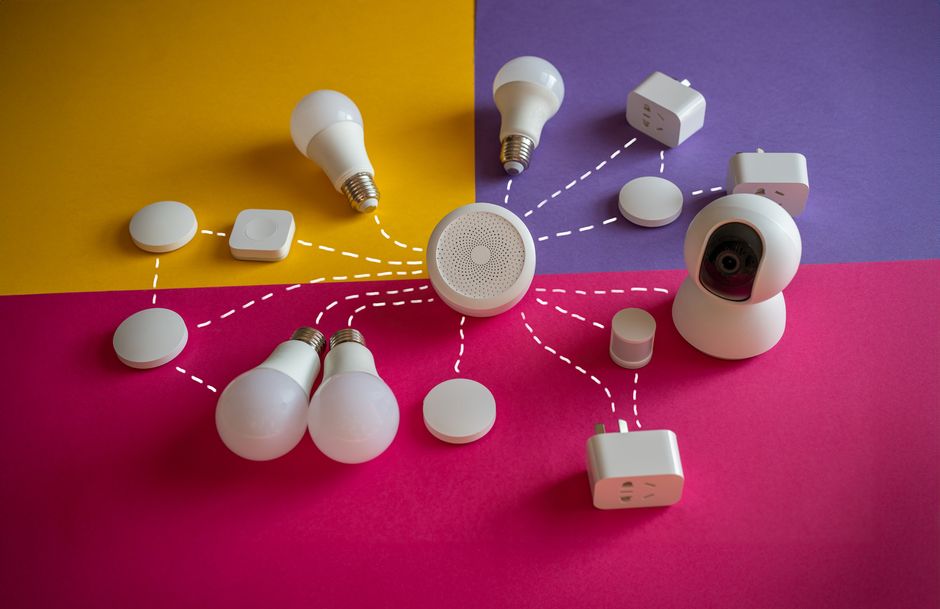
Introduction: In the era of smart homes, ecology is king
With the rapid development of the Internet of Things technology, smart home has gone from concept to thousands of households. However, in the face of a wide range of smart devices, consumers are faced with a key choice: which ecosystem to choose? Xiaomi, Huawei, and Apple, as the three tech giants, have each built a unique smart home ecosystem. This article will conduct in-depth comparisons from the dimensions of device compatibility, user experience, intelligent linkage, and cost performance, to help you find the most suitable smart home solution for yourself.
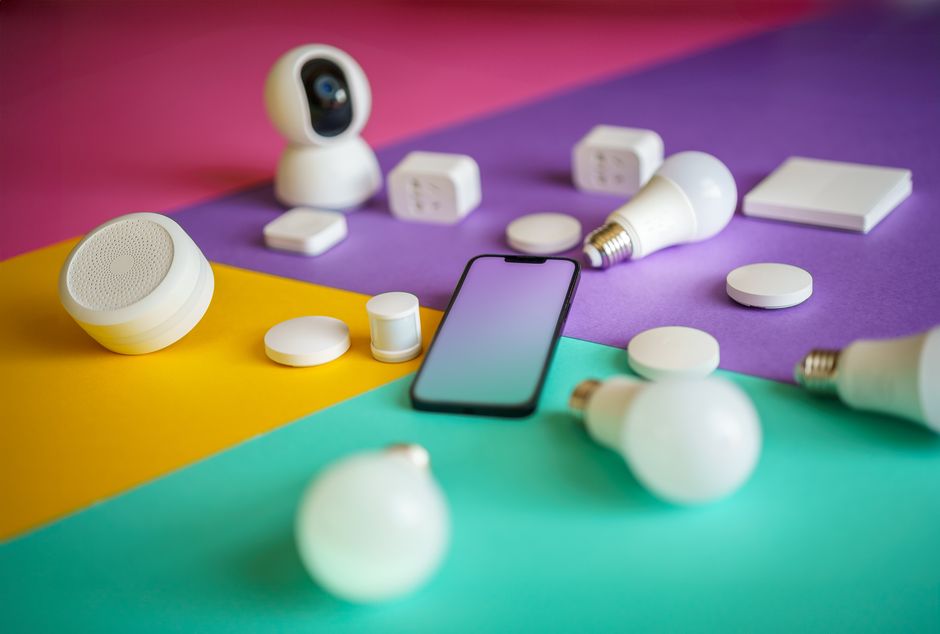
First, ecological layout and core advantages
Xiaomi: cost-effective and a huge ecological chain
With "mobile phone + AIoT" as the core, Xiaomi has invested in incubating hundreds of ecological chain enterprises to create a huge product matrix covering the whole house of intelligence. Its advantages lie in a wide range of devices (from sensors to major appliances) and highly competitive prices. As a unified control hub, Mijia App supports most devices and is compatible with third-party brands (through Mijia Gateway).
Huawei: Whole House Intelligence and Hongmeng Internet
Huawei relies on the distributed capabilities of Hongmeng OS to focus on "1 + 8 + N" full-scene smart life. Its advantages lie in strong connection stability (PLC-IoT home bus), seamless flow across devices (such as mobile phone and smart screen collaboration), and the sense of quality brought by high-end positioning. Huawei's ecosystem is more oriented towards overall solutions, suitable for users who pursue the ultimate experience.
Apple: Closed Ecosystem and Privacy Security
Apple emphasizes privacy protection and seamless experience between devices with HomeKit at its core. Its advantages are security and stability, Siri voice control is mature, and it supports cross-platform (iOS, iPadOS, macOS). But HomeKit device certification is strict, the number is relatively small, and the price is generally high.
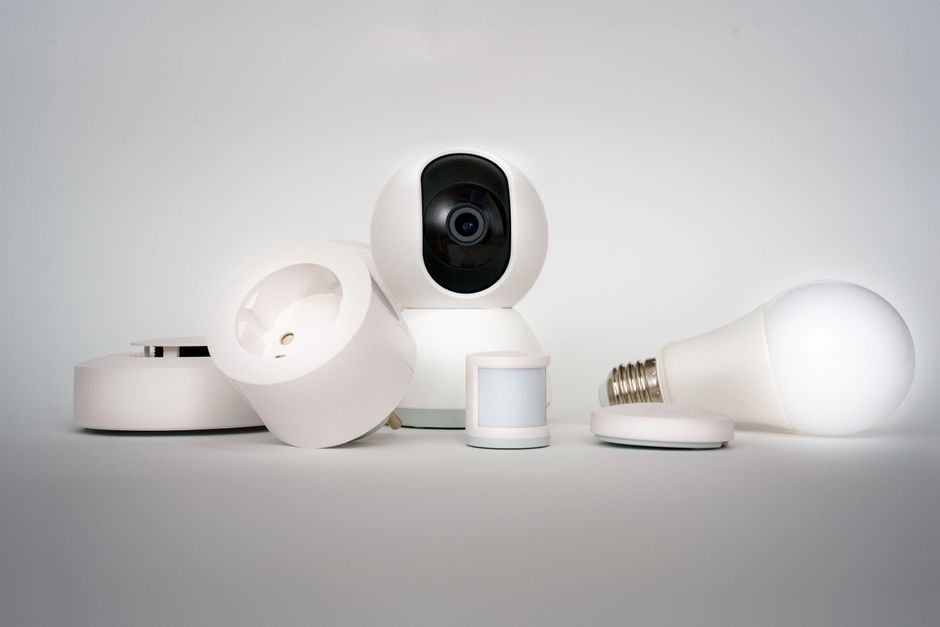
Second, device compatibility and scalability comparison
| Dimension | millet | Huawei | apple |
|---|---|---|---|
| Number of devices | More than 5000 models (Mijia Mall) | More than 3000 models (including third parties) | About 1,000 HomeKit certified devices |
| third-party compatibility | Support Wi-Fi, Bluetooth, Zigbee, etc., compatible with Google, Amazon | Support Hongmeng and HiLink (compatible with some third parties) | Only HomeKit certified devices are supported, MFi certification is required |
| core protocol | Wi-Fi、ZigBEe、Mesh、Zigbee | PLC-IoT, Wi-Fi, Wi-Fi | Wi-Fi, Bluetooth, Thread |
| ecological openness | High (open API) | Medium (biased towards self-owned ecology) | Low (closed but safe) |
Third, user experience and intelligent linkage
automated scenario
- Millet:
Mijia App provides rich automation rules (such as "away from home mode" to turn off the lights and start the sweeping robot), supports geolocation triggering, and the linkage logic is simple and intuitive. - Huawei:
Smart life apps enable collaboration between devices, such as automatically turning on lights and air conditioners when you go home, but some advanced linkage requires Huawei smart gateways. - Apple:
HomeKit's "scenes" and "automation" are powerful, setting conditions based on time, location or sensor triggers, but the creation process is slightly more complicated.
voice control
Xiaomi supports Xiaoai, Huawei supports Xiaoyi, and Apple supports Siri. All three can control their own ecological devices, but Xiaoai has stronger control over third-party devices. Siri responds accurately in the HomeKit scenario, and Xiaoyi works more smoothly between Huawei devices.
IV. Cost-effectiveness and installation costs
Xiaomi devices are affordable and have low entry barriers, making them suitable for users with limited budgets. Huawei is positioned at the mid-to-high end and the price is high, but it provides whole-house intelligent customization services. Apple devices are expensive, and HomeKit devices are significantly premium, suitable for people who pursue quality and have a sufficient budget.
V. Data security and privacy
Apple is the strictest on privacy protection. All HomeKit data is end-to-end encryption and does not collect user data. Xiaomi and Huawei also provide basic data encryption, but some functions (such as voice assistants) involve Cloud as a Service, and users need to pay attention to privacy settings.
VI. Recommendations
Overall, there is no absolute strongest ecosystem, only the most suitable choice for you.
- Pursue cost-effective and abundant equipment:
choose
millet
It is suitable for smart home starters and DIY gamers. - Focusing on overall solutions and high-end experiences:
choose
Huawei
It is especially suitable for new home renovations or users with high stability requirements. - Apple family bucket users and values privacy:
choose
apple
It allows for a seamless experience.
It is recommended to determine your core needs first, and then choose an ecosystem according to existing devices (such as mobile phone brands) to reduce the cost of use. In the future, cross-ecological integration (such as the Matter protocol) will become a trend, but in the short term, the three major ecosystems will still operate independently.
conclusion
The competition in the smart home ecosystem is essentially a competition between user experience and ecological chain. No matter which camp you choose, you can enjoy the convenience brought by technology. I hope the comparison in this article can help you make informed decisions and create your own smart life.
 Skype
Skype demo@admin.com
 400-12345-67890
 13988889999