
 English
How to properly clean a shot blasting machine
Proper cleaning of the shot blasting machine is crucial for ensuring efficient operation, extending its service life, and guaranteeing operational safety. Cleaning work is mainly divided into two aspects: daily post-shutdown cleaning and maintenance, and regular deep maintenance.
Daily Cleaning and Maintenance (after each shift)
This is a standardized procedure that must be performed after each operation to remove residues and prevent material buildup and corrosion.
Standardized Shutdown Sequence: First, stop feeding and allow the conveyor belt or hook to idle for 1-2 minutes to ensure all shot and workpiece residue has completely fallen into the recovery system. Then, sequentially shut down the shot blaster, elevator, and dust collection system, and finally disconnect the main power supply. Never disconnect the power while the equipment is running, as this may cause shot to fly out due to inertia and create a hazard.
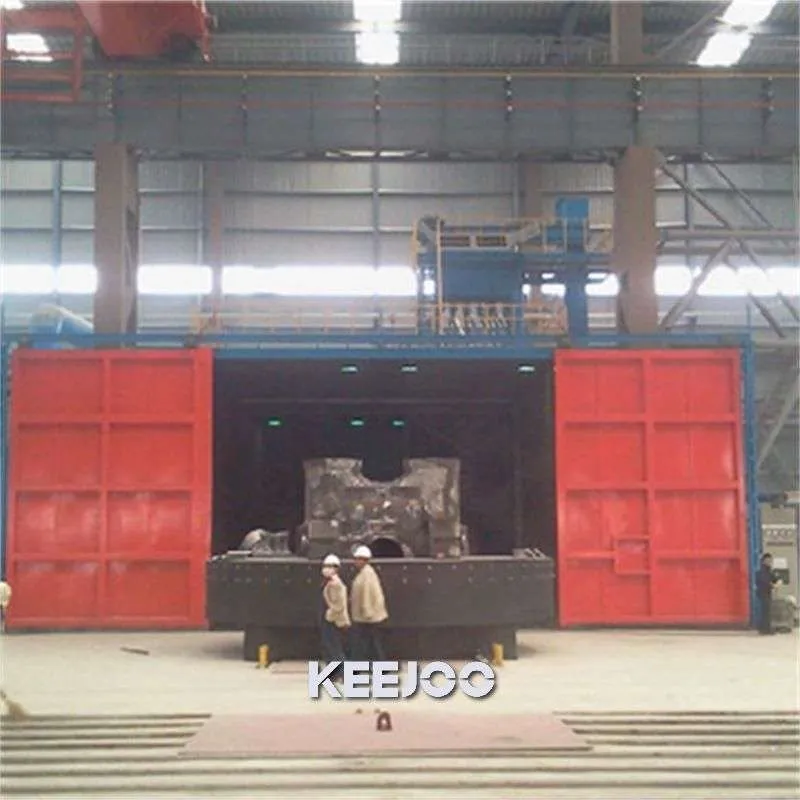
Cleaning the Shot Blasting Chamber: Open the protective door (ensuring the equipment is completely powered off), and use specialized tools (such as a rubber broom or air gun) to clean the inner walls of the shot blasting chamber, the shot blaster guard plates, the directional sleeve, the shot distribution wheel, and other parts to remove residual shot, rust, dust, and workpiece debris. * Never put your hands directly into the shot blasting area to clean, as residual shot may accidentally fly and injure you.
* **Dust Collection System Handling:** Empty the dust collector's dust bags or dust boxes and check for clogged filter elements. If the filter elements are heavily clogged, clean or replace them according to the manufacturer's instructions to ensure dust collection efficiency.
* **Shot Collection and Replenishment:** Check the amount of shot in the shot hopper. If the shot size has decreased due to wear (diameter less than 1/3 of the original specification) or the quantity is insufficient, replenish with new shot promptly. Excessive shot wear will severely affect the cleaning effect.
* **Equipment Exterior Cleaning:** Wipe the equipment casing, control cabinet, and other parts with a dry cloth to keep the equipment clean and facilitate the detection of abnormalities such as oil leaks or loose parts.
* **Regular Deep Maintenance (Weekly/Monthly/Quarterly)**
In addition to daily cleaning, conduct more comprehensive inspections and maintenance to prevent major malfunctions.
**Inspect Key Wear-Resistant Components:** Regularly inspect the wear condition of vulnerable parts such as the impeller, directional sleeve, shot distributor, and protective plates of the shot blaster. When the wear on the blades or protective plates exceeds 1/3 of their original thickness, they must be replaced immediately; otherwise, shot blasting efficiency will be severely affected, and equipment damage may occur.
**Lubrication System Maintenance:** Regularly add or replace lubricating oil/grease to the bearings, elevator chain, conveyor belt rollers, and other transmission parts of the shot blaster, according to the equipment manual. **Avoid over-lubrication; oil contamination with the shot will reduce cleaning effectiveness and pollute the environment.**
**Clean the Shot Separator:** Clean the shot separator every shift or daily to prevent impurities (such as dust and debris) from clogging it, affecting shot recycling and cleaning quality.
**Check Sealing and Ventilation:** Check the sealing strips of the shot blasting chamber door, observation window, and other parts for aging or damage to ensure that dust does not leak out during equipment operation. Also check that the ventilation ducts are unobstructed.
Conduct a comprehensive electrical system inspection: Check the power lines, control switches, sensors, emergency stop buttons, etc., to ensure they are functioning properly and sensitively.
Important Safety Notice: Any cleaning and maintenance work must be carried out only after the equipment has been completely powered off and all residual energy has been released, and a "Do Not Reconnect" warning sign must be displayed. Operators must wear appropriate personal protective equipment, including goggles, dust masks, earplugs, and protective gloves.
 Skype
Skype demo@admin.com
 400-12345-67890
 13988889999