
 简体中文
简体中文
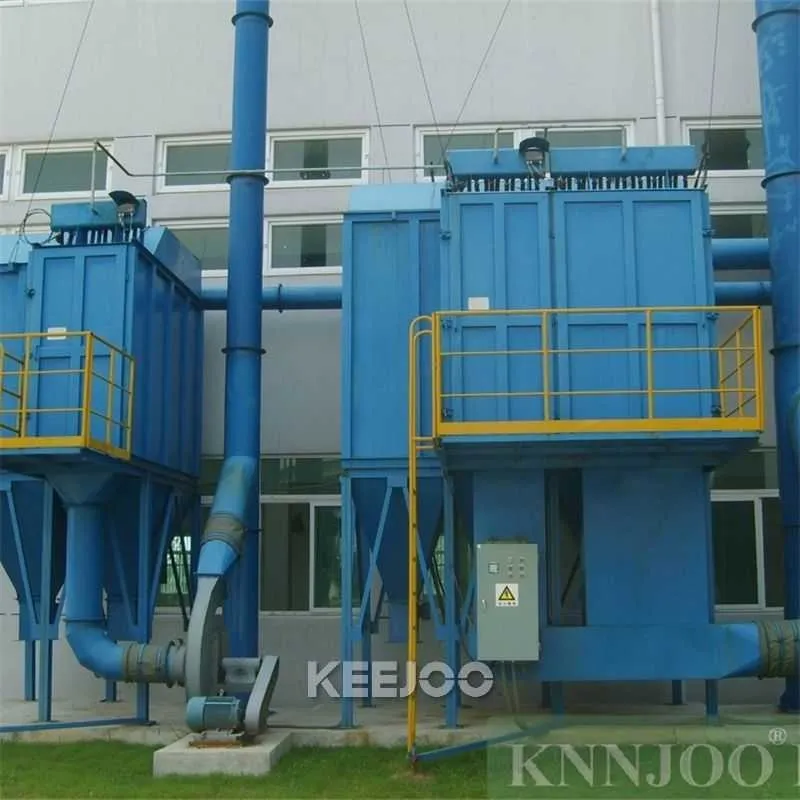
What should be paid attention to in daily maintenance of dust collector
The following matters should be noted in the daily maintenance of dust collectors:
Equipment inspection and monitoring:
Check the dust collector's shell, bracket, pipe and other structural parts for integrity, deformation, rust, breakage and other problems every day.
Regularly check whether the inlet and outlet pipes of the dust collector are unobstructed to avoid blockage affecting the dust removal effect.
Monitor the operating parameters of the dust collector, such as working pressure, pressure difference, fan air volume, etc., to ensure that they are within the normal range.
Maintenance of dust cleaning and dust discharge system:
Regularly check the pulse valve, air bag, gas pipeline and other parts of the dust cleaning system to ensure their normal operation.
Clean the pulse valve, blowing pipe and other parts to prevent the accumulation of impurities from affecting the dust cleaning effect.
Regularly clean the dust discharge equipment such as the screw conveyor and the star-shaped dust discharge valve to prevent blockage from affecting the normal operation of the dust collector.
Filter bag inspection and replacement:
Check the filter bag for damage, blockage or sticking every day. If there is any abnormality, it should be replaced or cleaned in time.
Regularly check whether the filter bag skeleton is deformed, rusted or loose, and ensure that the filter bag can work properly.
replace the filter bag as a whole according to the recommended replacement cycle. Avoid pulling the filter bag hard to cause damage when cleaning it. After cleaning, make sure that the filter bag is completely dry before installation and use.
Electrical system inspection:
Regularly check whether the power supply line of the dust collector is worn, aged or in poor contact. If there is any abnormality, it should be replaced or repaired in time.
Check whether the electrical equipment such as solenoid valves, motors, and controllers are operating normally to ensure their reliable operation.
Lubrication and seal inspection:
Regularly lubricate the transmission device and use appropriate lubricants to reduce wear and friction and extend the service life of the equipment.
Check whether the seals of the equipment are intact to avoid gas leakage.
Safe operation and training:
When performing dust collector maintenance work, the power supply must be cut off and a "no closing" warning sign must be hung.
Regularly provide safety education and skills training to operators to ensure that operators are familiar with the structure and performance of the dust collector.
 Skype
Skype demo@admin.com
 400-12345-67890
 13988889999